Atlanta
Buckhead · Virginia-Highland · Decatur
Heating and cooling replacement, planned for your Georgia home.
Your advisor confirms service at your address.
If your furnace and AC are more than 12–15 years old, replacing both together helps match the indoor variable-speed blower to the outdoor condenser's efficiency rating. Matching both pieces is required to achieve published SEER2 ratings and to qualify for most utility rebates.
Heavy spring pine and oak pollen in Georgia quickly mats standard 1-inch fiberglass filters and coats outdoor condenser coils. When replacing your system, adding a 4-to-5-inch deep-pleated media filter cabinet protects your new indoor evaporator coil and blower motor while improving indoor air quality.
Yes. Georgia county and city building departments require a mechanical permit when replacing central heating and cooling equipment. Etho Home's licensed local partner crews pull the required permit and schedule the inspection.
Georgia spans IECC Climate Zone 3A across the northern and central Piedmont (Atlanta, Augusta) and Hot-Humid Zone 2A along the southern tier and coast (Savannah). Across both zones, summer brings five to seven months of heavy moisture load, afternoon thunderstorms, and high attic temperatures, while spring coats outdoor condensers in thick yellow pine pollen. Winters in North Georgia dip below freezing often enough to make dual-fuel or cold-ready heat pumps and gas furnaces valuable, while coastal Georgia stays mild almost year-round.
Georgia summers bring five to seven months of heavy humidity, and spring pine pollen coats outdoor units. North Georgia freezes often enough that heating matters too.
Most of Georgia operates on Atlanta Gas Light (AGL) pipeline infrastructure with deregulated retail gas marketers. Because fixed monthly AGL base charges apply whenever gas service is active, many homeowners keeping gas water heaters pair a new two-stage gas furnace with high-SEER2 AC—or install a dual-fuel heat pump to minimize winter gas therms.
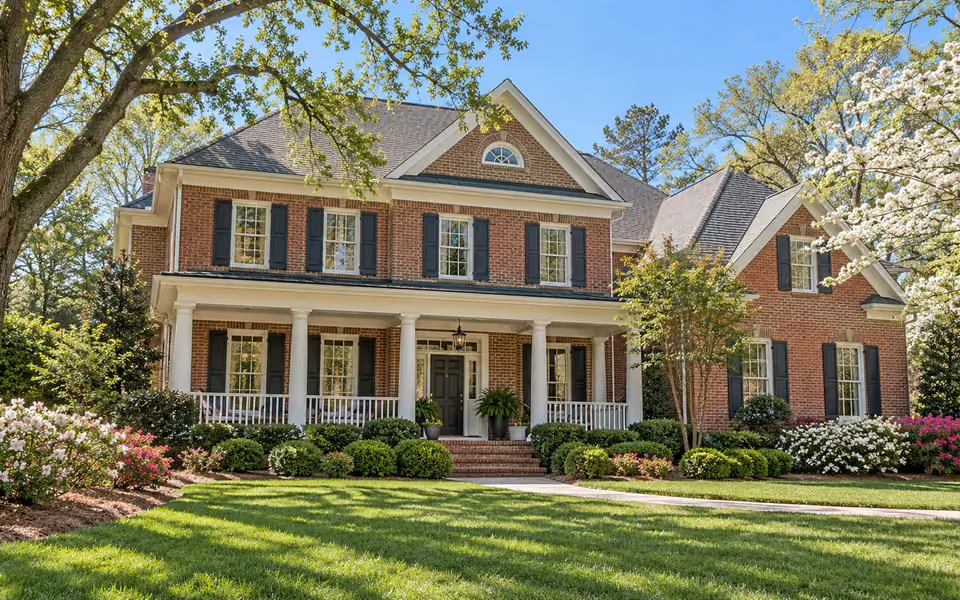
Two-story brick-front homes over basements or slabs often run two separate HVAC systems. Replacing an overworked upstairs attic system with a variable-speed heat pump or two-stage AC cures hot second-floor bedrooms without freezing out the main level.
In Savannah and coastal Chatham County (IECC Zone 2A), summer dew points hover in the mid-70s and salt air drifts inland along tidal rivers. Coastal-grade coils and variable-speed blowers that prioritize moisture removal are essential.
Your advisor confirms the system, scope, and price.
Build my quoteSee how it works